

Surging jet-fuel prices are the defining cost pressure for airlines in 2026, pushing long-haul fares higher even as passenger demand sets new records.
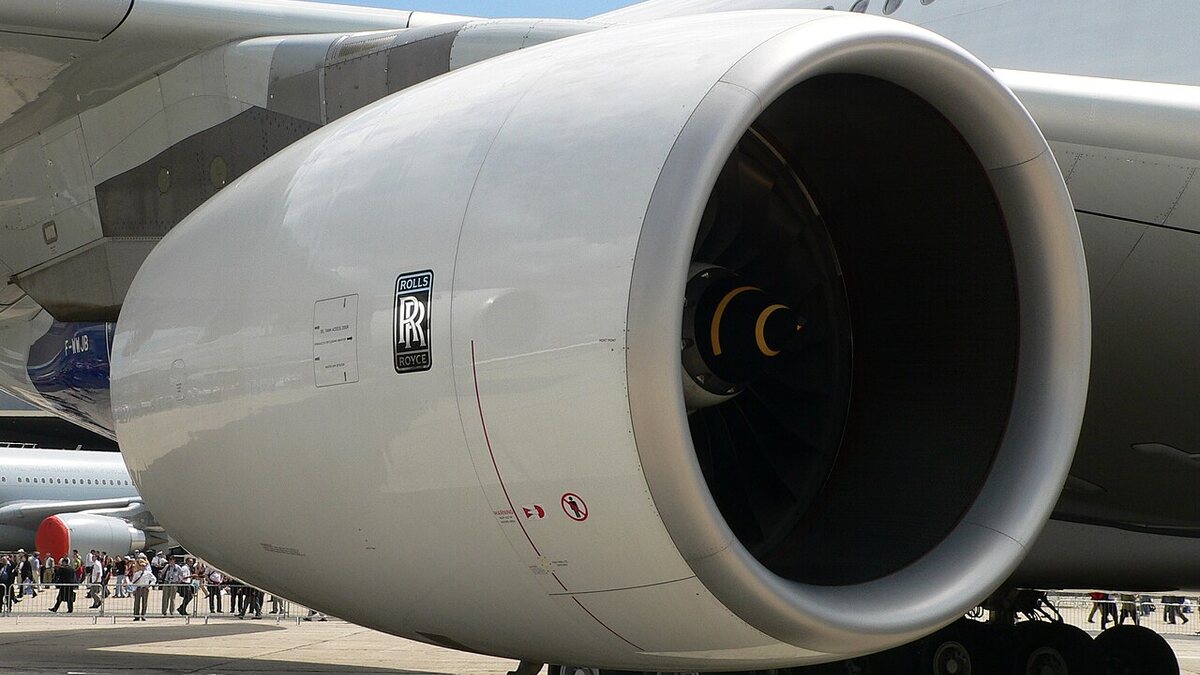
Cover image: a Rolls-Royce Trent 900 engine on an Airbus A380 — photo by David Monniaux, CC BY-SA 3.0, via Wikimedia Commons.
By almost every measure of demand, 2026 should be a banner year for the world's airlines. More than five billion passengers are expected to fly, leisure appetite remains strong, and aircraft are leaving the gate full. And yet the defining story of the year is not a crowd — it is a cost. A brutal spike in jet-fuel prices has cut airline profitability in half, and travellers are already paying the difference at checkout.
The number that changes everything
According to the International Air Transport Association (IATA), jet fuel is now expected to average US$152 per barrel in 2026, up dramatically from around US$90 in 2025. That single move ripples through the entire industry. The global airline fuel bill is forecast to swell from roughly US$252 billion to US$350 billion, and fuel's share of total operating expenses jumps from 25.4% to 31.4% in a single year.
To put that in plain terms: for every dollar an airline spends to operate, nearly a third now disappears into the fuel tank — and that share is rising faster than carriers can comfortably absorb.
Profits cut in half
The bottom-line damage is stark. Industry-wide net profit is expected to fall from about US$45 billion in 2025 to US$23 billion in 2026, with net margins thinning from 4.2% to just 2.0%. For a business that already runs on famously slim returns — often just a few dollars per passenger — halving profitability is the difference between a comfortable year and a precarious one.
Carriers are recovering some of the hit by adjusting prices and squeezing out efficiency, but IATA is clear that it will not be enough to hold profitability at last year's level. The math is simply too lopsided.
Why fuel spiked
The proximate cause is geopolitics. Disruption centred on the Middle East has rattled global fuel supplies, and because aviation is uniquely dependent on a single, refined commodity, the industry feels supply shocks faster and harder than most. Unlike aircraft leases or staffing, fuel cannot be planned a decade ahead — it is repriced by the market every day, and in 2026 the market has been unkind.
Where travellers feel it
The pain is not spread evenly. Long-haul routes are the most exposed, because fuel makes up a larger share of the cost of carrying a full load halfway around the world. That is where the steepest fare increases — and the creep of additional fees — are landing, even as fierce competition keeps a lid on some short-haul prices. For consumers, the practical signal is unambiguous: long-haul tickets are getting more expensive, and booking patterns will need to adjust.
How airlines are fighting back
Carriers are reaching for a familiar but increasingly stretched playbook:
- Pricing and surcharges — passing a share of the cost through to fares and ancillary fees.
- Fuel efficiency — leaning on precision data and operational KPIs to wring savings out of every flight.
- Fleet renewal — accelerating the shift to newer, more efficient aircraft that burn less per seat.
- Capacity discipline — tightening schedules to protect load factors rather than chasing unprofitable growth.
Newer fleets genuinely help, but no efficiency programme can fully offset a market-wide jump in the price of kerosene. Efficiency buys time; it does not repeal economics.
The SAF squeeze
The fuel crunch also collides awkwardly with the industry's climate commitments. The additional cost of buying Sustainable Aviation Fuel (SAF) is expected to reach about US$4.3 billion in 2026 for roughly 2.4 million tonnes — still less than 1% of total fuel consumption. SAF remains substantially more expensive than conventional jet fuel per gallon, which means the cleaner option arrives just as airlines are least able to afford premiums. The tension between net-zero road maps and near-term survival has rarely been sharper.
The outlook
The paradox of 2026 is a booming top line meeting a swelling cost base. Revenues are climbing with record demand, but margins are being crushed from below. For passengers, the takeaway is practical: book long-haul early, watch for fare and fee swings, and expect fuel to keep shaping the price of a ticket deep into next year. The planes will be full — but the economics of filling them have rarely been harder.



Post a comment